Online shopping has made comparing prices easier than ever, yet many shoppers still overpay simply because they buy at the wrong time. Prices for products—especially electronics, fashion, travel, and household items—can change daily or even hourly. This is where price tracking tools come in. These tools monitor price changes over time and notify you when a product drops to your desired price.
In this in-depth guide, you will learn how to use price tracking tools to get the lowest prices, which tools are most effective, how to set alerts properly, real-life examples, common mistakes to avoid, and answers to frequently asked questions. If you want to shop smarter instead of harder, price tracking tools are essential.
What Are Price Tracking Tools
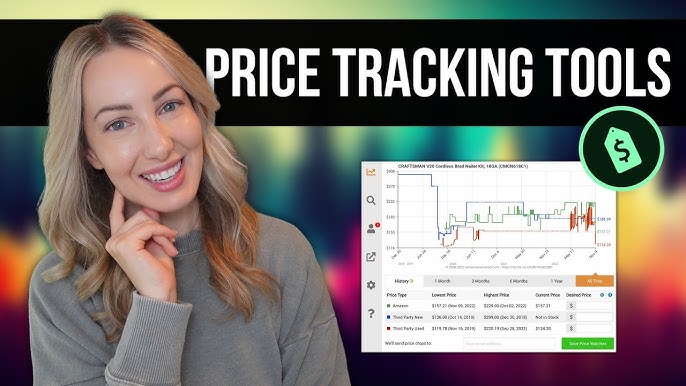
Price tracking tools are digital services that monitor the price history of a product across one or multiple online stores. They notify users when prices change, helping shoppers buy at the best possible moment.
How Price Tracking Tools Work
Most tools function by:
- Recording historical price data
- Updating prices regularly
- Alerting users when prices drop or meet a target
Some tools also compare prices across multiple retailers.
Why Prices Change So Often Online
Understanding price fluctuations helps you appreciate the value of price tracking.
Dynamic Pricing
Many retailers use algorithms that adjust prices based on:
- Demand
- Time of day
- Competitor pricing
- Inventory levels
Seasonal Sales and Promotions
Prices drop during holidays, clearance periods, and special sales events.
Limited-Time Deals
Flash sales and lightning deals cause sudden price drops that may last only a few hours.
Benefits of Using Price Tracking Tools
Price tracking tools offer more than just alerts.
Save Money Automatically
Instead of constantly checking prices, the tool does the work for you.
Avoid Impulse Buying
Price alerts encourage patience and smarter purchase timing.
Make Informed Decisions
Historical price data shows whether a deal is truly good or just marketing hype.
Types of Price Tracking Tools
Different tools serve different shopping needs.
Browser Extensions
These tools integrate directly into your web browser.
Key Features
- Automatic price history charts
- Alerts while browsing product pages
- Promo code suggestions
Best For
Frequent online shoppers who want instant insights.
Price Tracking Websites
Standalone websites allow users to paste product links and track prices.
Key Features
- Multi-store tracking
- Email notifications
- Long-term price history
Best For
Shoppers are planning large or expensive purchases.
Mobile Apps
Mobile apps send push notifications for price changes.
Key Features
- On-the-go alerts
- Barcode scanning for in-store price checks
- Wishlist tracking
Best For
Mobile-first shoppers and deal hunters.
Popular Price Tracking Tools You Should Know
CamelCamelCamel
CamelCamelCamel is a widely used price tracking tool for Amazon products.
Why It Is Effective
- Tracks Amazon price history
- Supports third-party sellers
- Allows custom price alerts
Example
A shopper tracks a laptop priced at $1,200. The tool shows it often drops to $950 during sales, helping the buyer wait and save $250.
Honey Price History
Honey provides built-in price history and alerts.
Key Advantages
- Easy browser integration
- Tracks price trends
- Combines price tracking with promo codes
Keepa
Keepa offers advanced Amazon price tracking features.
Why Advanced Users Like It
- Detailed charts
- Historical data spanning years
- Alerts for specific sellers
Google Shopping Price Alerts
Google allows users to track prices directly through search results.
Benefits
- No extra software needed
- Works across multiple retailers
- Email notifications
PriceSpy
PriceSpy compares prices across multiple stores and tracks changes.
Best Use Case
Electronics and tech purchases.
How to Use Price Tracking Tools Step by Step
Step 1: Identify the Product You Want
Before setting up tracking, know exactly what you want:
- Brand
- Model
- Specifications
Being specific prevents tracking the wrong item.
Step 2: Check Price History
Review historical pricing to understand typical highs and lows.
What to Look For
- Regular sale patterns
- Lowest historical price
- Frequency of price drops
Step 3: Set Your Target Price
Decide the maximum price you are willing to pay.
Smart Target Setting
Instead of setting an unrealistic low price, choose a target based on historical trends.
Step 4: Enable Alerts
Select how you want to be notified:
- App notification
- Browser alert
Make sure alerts are enabled to avoid missing deals.
Step 5: Act Quickly When Alerted
Some deals last only a few hours. When you receive an alert, act fast.
Real-Life Examples of Saving With Price Tracking Tools
Example 1: Electronics Purchase
A shopper wants a gaming console priced at $500.
- Historical low price: $420
- Target price set: $430
After three weeks, an alert notifies the shopper of a flash sale at $429.
Total savings: $71
Example 2: Fashion Item
A shopper tracks a designer jacket priced at $350.
- The tool shows seasonal drops to $220
- Alert triggers during the end-of-season sale
Savings: $130
Example 3: Household Appliance
A washing machine priced at $900 drops to $720 during a holiday sale.
- Price tracking alert ensures timely purchase
- Savings: $180
Best Products to Track With Price Tools
Not all products fluctuate equally.
Electronics
Electronics experience frequent price changes and high discounts.
Examples
- Smartphones
- Laptops
- TVs
Fashion and Footwear
Fashion prices drop sharply during seasonal sales.
Home Appliances
Appliances often see discounts during holidays and clearance events.
Travel and Tickets
Some tools track flights and hotel prices.
Common Mistakes When Using Price Tracking Tools
Waiting Too Long
Prices may not drop as low as expected. Sometimes a good deal is better than waiting for a perfect one.
Ignoring Stock Availability
A price drop means nothing if the item sells out quickly.
Tracking Too Many Items
Tracking too many products can lead to alert fatigue and missed deals.
Overlooking Total Cost
Always factor in shipping, taxes, and return costs.
Combining Price Tracking With Other Savings Methods
Price tracking works best when combined with other strategies.
Use Promo Codes
Apply discount codes when the price drops for maximum savings.
Earn Cashback
Stack cashback offers on top of tracked price drops.
Shop During Major Sales
Price tracking confirms whether holiday deals are truly worth it.
Are Price Tracking Tools Reliable
Most reputable tools are accurate, but they have limitations.
What They Do Well
- Track listed prices
- Show historical trends
- Alert on changes
What They Cannot Do
- Guarantee future price drops
- Account for limited stock
- Track in-store-only discounts
FAQs About Using Price Tracking Tools
Are price tracking tools free?
Many tools offer free versions, with optional premium features.
How often do price tracking tools update prices?
Update frequency varies from hourly to daily, depending on the tool.
Can I track prices on multiple stores?
Yes, some tools support multi-store tracking.
Do price tracking tools work internationally?
Many tools support multiple countries, but coverage varies.
Are price alerts instant?
Most alerts are near real-time, but delays can occur during heavy traffic.
Tips for Long-Term Smart Shopping With Price Tracking
Be Patient and Strategic
Let data guide your purchases instead of emotions.
Track Big Purchases Early
Start tracking weeks or months in advance for expensive items.
Learn Seasonal Patterns
Over time, you will recognize when prices usually drop.
Conclusion
Price tracking tools are powerful allies for modern shoppers who want to get the lowest prices without constantly monitoring online stores. By understanding how these tools work, setting realistic target prices, and acting quickly when alerts appear, you can save significant amounts of money on everyday purchases and big-ticket items alike.
From electronics and fashion to home appliances and travel, price tracking tools remove guesswork from shopping and replace it with data-driven decision-making. When combined with promo codes, cashback offers, and smart timing, these tools can transform how you shop—turning patience into real savings and ensuring you never overpay again.